Minneapolis residents enjoy an exceptional park system, with the Chain of Lakes providing year-round recreation through kayaking, sailing, and cross-country skiing across 102 miles of bike lanes and 97 miles of trails. The city's cultural scene ranks second only to New York in theater seats per capita, anchored by the renowned Guthrie Theater and Walker Art Center. The restaurant scene features distinctive spots like Owamni by The Sioux Chef, which serves indigenous North American cuisine, and Spoon and Stable, known for its versatile menu ranging from bar fare to vegan dishes.
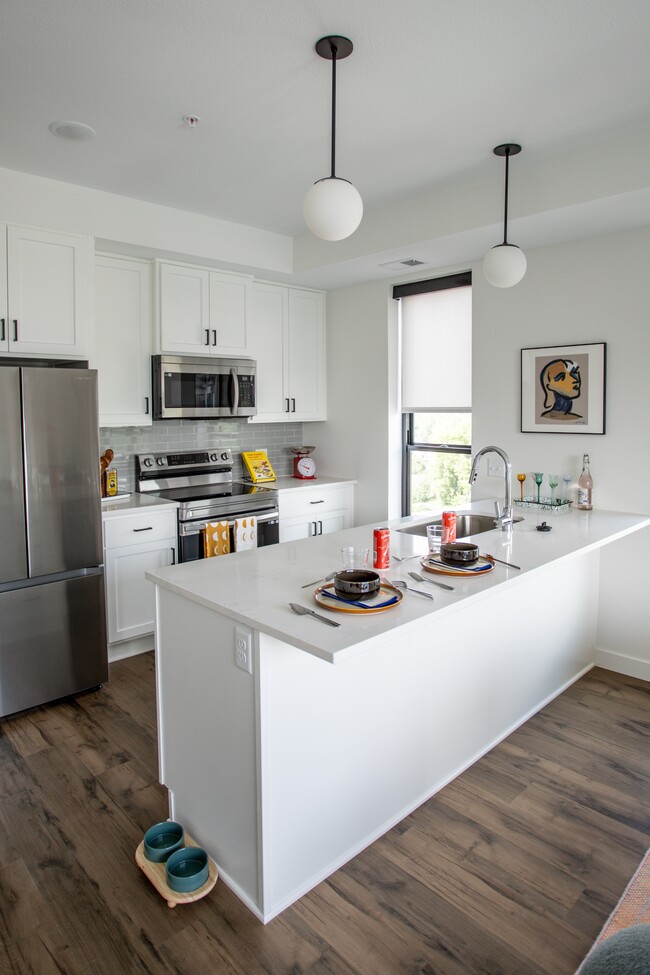
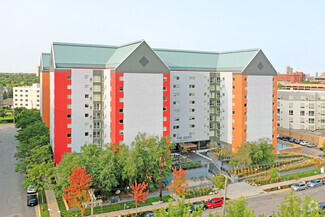
The Minneapolis housing market includes diverse options across price points. Single-family homes in Linden Hills have a median price of $875,000, while similar homes in Seward cost $335,800. Townhouses in the North Loop area have a median price of $377,500. The overall median sale price in Minneapolis is $338,000, with one-bedroom condos starting at a median price of $169,900.
Living costs in Minneapolis run 6.8% below the national average. A family with school-age children needs approximately $99,000 annually to live comfortably, while renters should aim for $54,000. Property taxes in Hennepin County stand at 1.15%, with a combined sales tax rate of 8.12%. Monthly grocery costs average $1,600 for families and $700 for renters, slightly above the national average. Housing expenses average $2,000 monthly for families and $1,900 for renters.
The city maintains excellent public transit through Metro Transit's light rail and bus system, complemented by downtown's 9.5-mile skyway system. Top-rated schools include Breck School and St. Paul Academy, both rated A+ by Niche. Major employers include Target Corporation, U.S. Bancorp, and Xcel Energy, contributing to unemployment rates consistently below national averages.